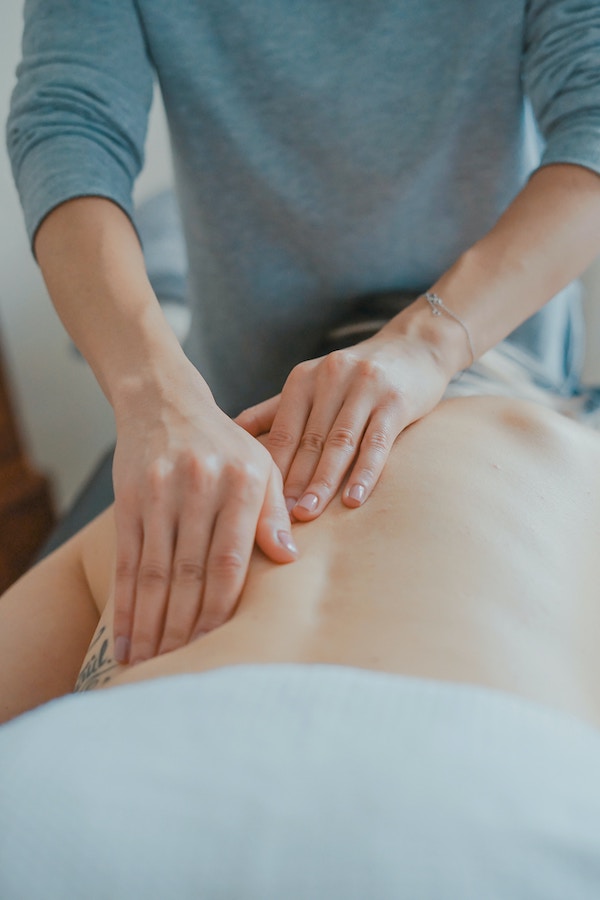
What is Cranial Osteopathy?
Cranial osteopathy is not different from osteopathy. It is the name given to a subtle and refined treatment style within osteopathy. This style requires additional postgraduate training. Cranial osteopathy follows all the same principles of osteopathy. Additionally, it is used throughout the body, not just in the head. The name cranial osteopathy simply refers to the fact that it includes the structures inside the head.
Cranial osteopaths use a highly developed sense of touch. They feel subtle changes of tension and tissue quality in the living anatomy of the whole body. Furthermore, they use this skill to diagnose areas of strain or dysfunction.
The osteopath is often drawn to areas in the body that have been affected by past events, such as old accidents and injuries. The body may have learned to compensate for a traumatic event or injury. The patient may be unaware that there is anything wrong. However, the effects may still be present and relevant to current symptoms.
Diagnosis and treatment are intimately linked. The osteopath works to activate the innate ability of the body to heal itself. By offering gentle and specific support where it is needed, they bring the tissues into a state of balance and release. This helps to restore the body to health.
Using this approach, the osteopath learns to listen to and be guided by the body’s inner knowledge of what is wrong. This knowledge may be different from the patient’s opinion and the osteopath’s opinion. As a result, this helps the osteopath to understand and treat the cause of the symptoms. It can reduce the chance of symptoms returning in the future.
Cranial osteopathy is a light touch and intricate approach to treatment of a wide range of problems in the whole body.
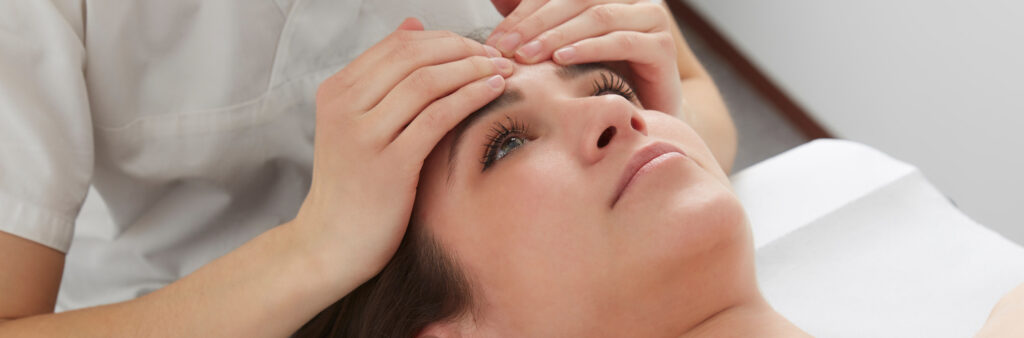
Cranial treatment appears so passive, how do I know that anything is happening?
Observing cranial treatment can be compared to watching someone reading a book. From the outside nothing appears to be happening. However, if you are the one reading the book you are transported into a rich world of structure, colour, depth and emotion. As you continue to read, the story unfolds.
In a cranial treatment, an osteopath is deeply connected to the inner world of living anatomy and physiology.
Listening carefully, the body can tell the story of what has happened to it. This includes what trauma (emotional or physical) it has suffered and, how it is trying to cope with the legacy of these traumas.
In treatment the osteopath is guided by the tissues and supports the re-balancing or release of areas of dysfunction. The body has an amazing ability to heal itself and maintain its own physiology in a state of health. In addition, it uses the re-balancing during osteopathic treatment to re-establish healthy physiology.
What sort of patients or conditions can be helped with cranial osteopathy?
This approach to osteopathy is a way of viewing the body rather than a type of technique. It can be used on every patient. Cranial osteopathy is widely known for the treatment of babies but, is equally effective for children, adults and the elderly.
In any osteopathic treatment, the whole body is involved and, improvements are often noted in many different areas. For example, it is not uncommon for digestive problems to resolve when the spine or pelvis are being treated. This is often because of back pain.
Osteopaths treat people not conditions.
In any consultation, the osteopath will review symptoms a patient is experiencing, including aches and pains, stresses or emotional issues. In treatment, the osteopath will explore and treat areas of dysfunction in the anatomy and physiology that may be linked to any of these areas. As a result, patients often report improvements in many different symptoms after treatment.
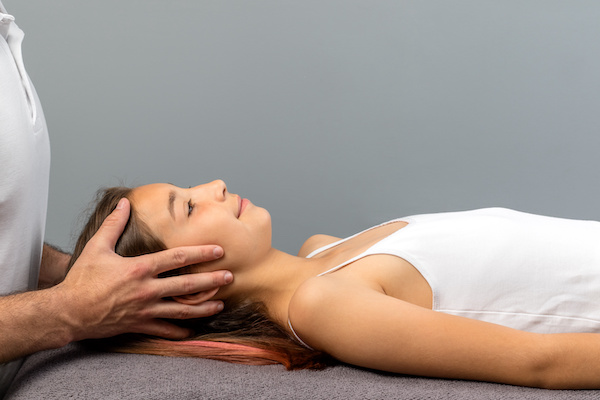
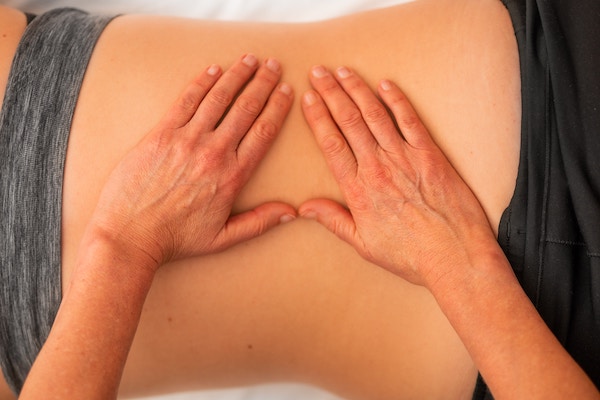
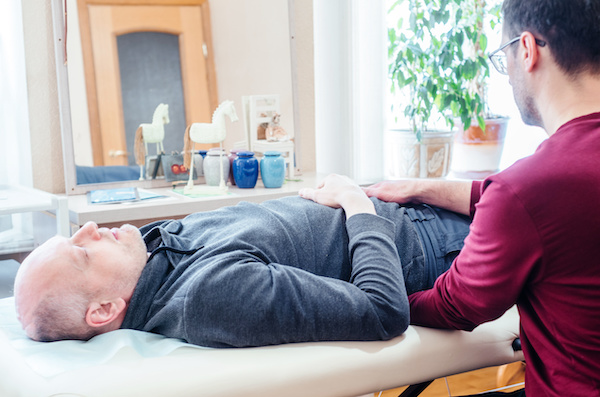
What does cranial treatment feel like?
Cranial osteopathic treatment is very gentle and relaxing. During the treatment some people are aware of different sensations, such as mild tension, aching or sensitivity that gradually disappear, or of feelings of warmth and relaxation. Other people are unaware of anything happening at all during the treatment but are aware that they feel very different when they get up afterwards. Most people become deeply relaxed during treatment. It is not uncommon for people to fall asleep.
We would like to thank Sutherland Cranial College of Osteopathy for the above information.
For more information please contact our team.