Massage therapy itself dates back to many ancient cultures including the ancient Greeks, Egyptians, Chinese and Indians. These nations used massage to treat a wide variety of ailments as a key part of their traditional healthcare systems. Today, remedial massage therapy is used to treat a wide variety of ailments as a key part of traditional and modern healthcare systems.
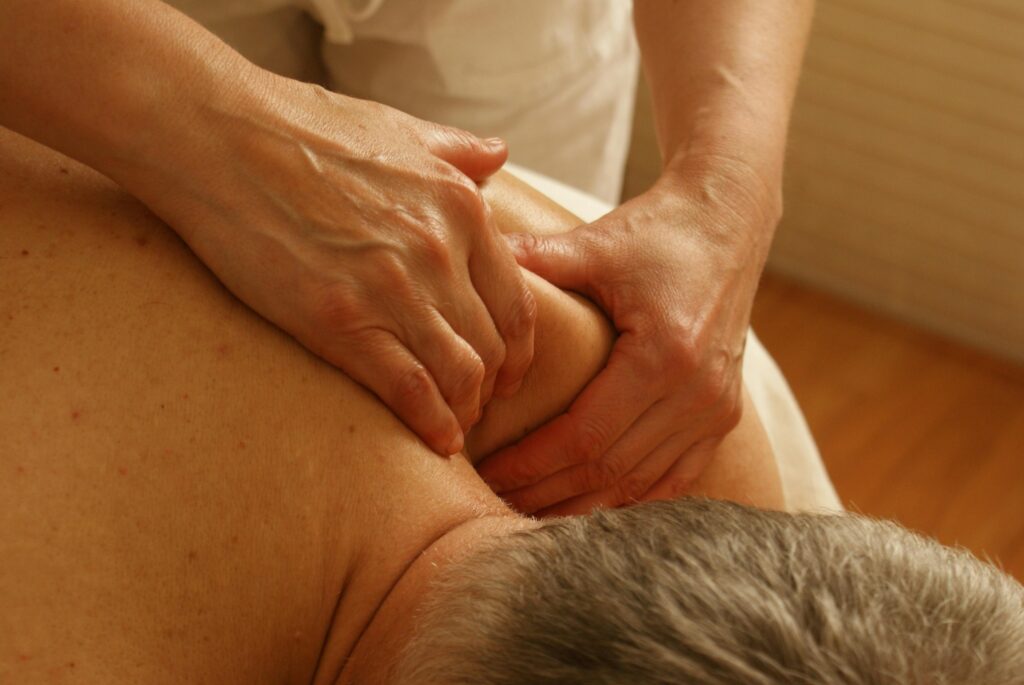
Massage therapy is the practice of kneading or manipulating a person’s muscles and other soft-tissue in order to improve their wellbeing or health. It is a form of manual therapy that includes holding, moving, and applying pressure to the muscles, tendons, ligaments and fascia.
The term ‘massage therapy’ is used to describe a wide variety of techniques that vary in the manner in which touch, pressure and the intensity of the treatment is applied. These different techniques are applied in different ways to address areas of pain, restricted movement and poor circulation.
What are the benefits of massage therapy?
There are many key benefits of regular massage therapy such as:
- pain relief,
- supporting your immune system to function better,
- both healing faster from injuries and becoming less likely to injure yourself at sport,
- improved posture and mobility,
- improved mood and overall wellbeing.
Massage is a deeply personalised treatment method. It can be delivered as anything from a more relaxing and shallow massage, to a stronger deep-tissue massage.
Your massage therapist will conduct an initial consultation to understand your goal for the session. This may include identifying any particular areas of focus or existing injuries and conditions and addressing any concerns.
A remedial massage therapist in Australia studies for 18 months to obtain a nationally recognised Diploma. This acknowledges that they are fully qualified to provide, monitor and evaluate a broad range of different massage types. In addition, they learn to adapt their treatments to meet the specific needs of their patients. Additionally, a remedial massage therapist is able to provide private health fund rebates for those that have cover in their policies.
Can I get pain relief through massage therapy?
We all suffer from episodes of pain which may be because of back pain, stiffness in the joints such as knees and shoulders, or headaches at various times in our lives. Whether that is because we are growing teens, enthusiastic sports players, over-worked staff or aging gracefully, the causes may vary.
The pressure applied through massage therapy stimulates the body’s circulatory system, improving blood flow. Lactic acid is a byproduct of energy production in muscles, particularly during intense exercise when oxygen is limited, and it’s often associated with muscle fatigue and soreness.
Massage therapy can stimulate the release of endorphins which are the body’s natural pain relievers. Massage may also help “close the pain gate” by stimulating competing nerve fibers and impeding pain messages to and from the brain. In addition, techniques such as deep and soft tissue massage and trigger point therapy can help release muscles around the affected area. This can also reduce direct pressure on the nerves which are responsible for the sensation of pain.
In addition, massage can be beneficial for joints as well as muscles. As tension in muscles around a joint is released, the range of motion of the joint improves.
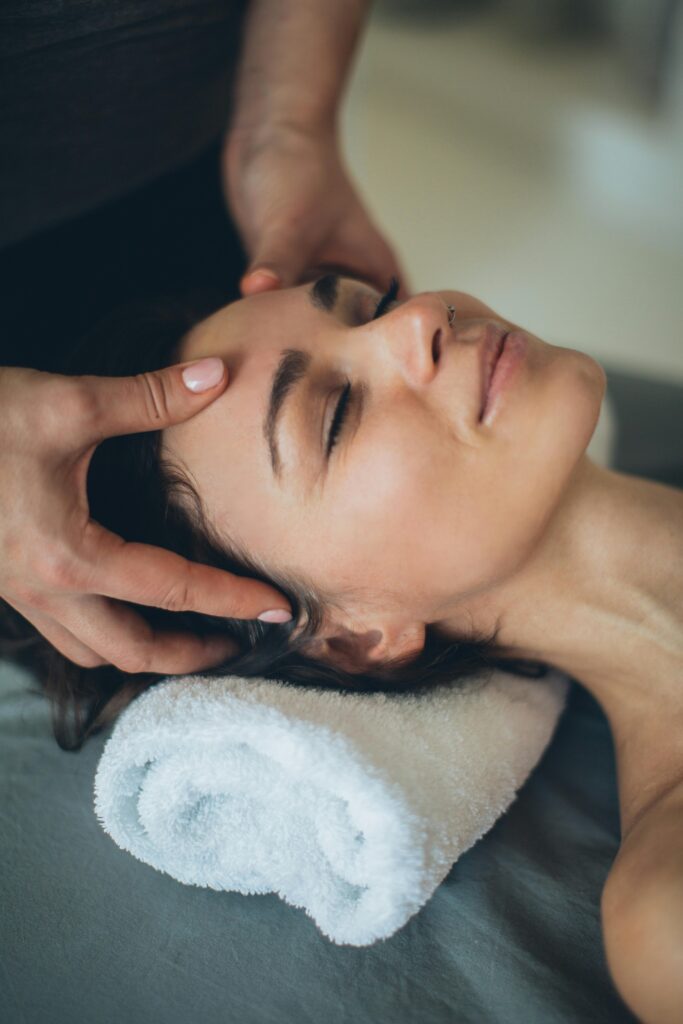
For individuals who suffer from chronic headaches or migraines, massage therapy offers relief. By targeting the neck, shoulders, and head, massage helps relax muscle tension and improve blood flow. This reduces the frequency and severity of headaches.
How does massage therapy supports immune system function?
When we are stressed our body tends towards being hyper-aroused and the sympathetic nervous system is stimulated (the fight or flight mechanism). Key actions of the sympathetic nervous system are to increase heart rate and blood pressure, dilates pupils, increases our breathing rate, reduces digestive activity and shunts blood flow to muscles and away from non-essential organs.
Massage treatment also triggers the release of serotonin – a neurochemical linked to the production of melatonin which is responsible for winding the body down for sleep. This in turn encourages our parasympathetic nervous system (rest and digest) and combats the hyper-arousal. In addition, key actions of our parasympathetic nervous system reverse the key actions of our sympathetic nervous system. This restores the body to a calm and composed state and prevents it from overworking.
We know massage helps reduce the levels of stress hormones, such as adrenalin, cortisol and norepinephrine. Studies indicate that high levels of stress hormones impair our immune system.
Massage can also stimulate the lymphatic system, which is part of the immune system, and keeps body fluid levels in balance and defends the body against infections.
Would getting a massage help injury recovery?
Manually manipulating muscles aids the healing process by improving circulation, breaking down scar tissue, and lengthening the tissues as they heal. More blood flow results in quicker healing as the body flushes out toxins and repairs the damaged tissue.
Sports massage is often sought by athletes as a means of injury prevention and treatment. Stretching, relaxing, and loosening muscles during a massage helps improve muscle condition. This form of pre-habilitation reduces the muscle’s likelihood of damage during exercise and the need for rehabilitation afterwards.
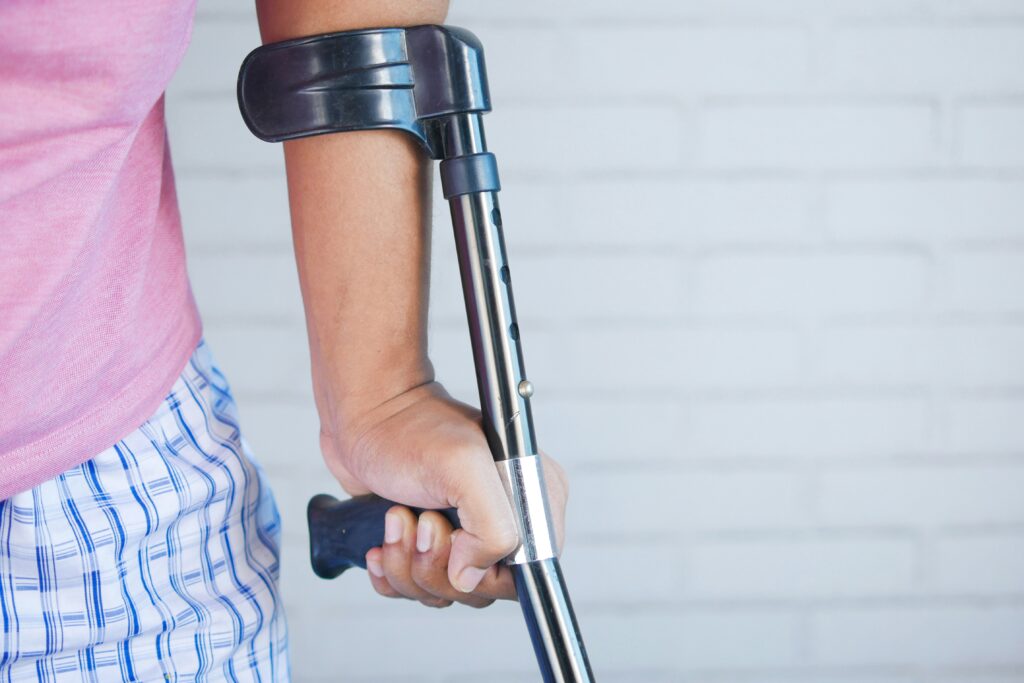
Can massage improve my posture and mobility?
In this day and age we are all prone to postural fatigue – whether that is because of far too much time at a desk, having a manual occupation, or carrying kids and shopping. Over time, we tend to slump our shoulders and drop our head posture forward. Our muscular system is designed to move us by switching on and off. However, poor posture is often a result of our muscles having to switch on for longer periods in bad positions. This makes them tight and tired. Our massage therapists have abroad rare of techniques to release muscles and reset your posture.
Muscles can become tight as a result of stress, overuse, injury and dehydration. The increased blood flow stimulated by remedial massage can help release tight and overworked muscles. It can also reduce spasms and assist in tissue regeneration at the muscle.
How does massage improve my mood and overall wellbeing?
You’re probably familiar with the deep relaxing sensation that a massage delivers. This effect promotes the release of endorphins – the brain chemicals (neurotransmitters) that produce feelings of wellbeing, which lower adrenaline and cortisol levels (stress hormones). In addition, massage also lowers the heart rate and reduces muscle tension. This is what’s often associated with the ‘calming’ sensation.
Massage not only relaxes the body but also clears the mind. By reducing stress and anxiety, improving sleep, and increasing overall well-being, regular massages can enhance mental clarity and focus. This allows you to approach tasks with improved concentration and productivity.
It’s important to take time out for ourselves in this busy world to do things to help reset our bodies and increase our energy so we feel revitalised and ready to face the next challenge. Let our massage therapists take care of you.