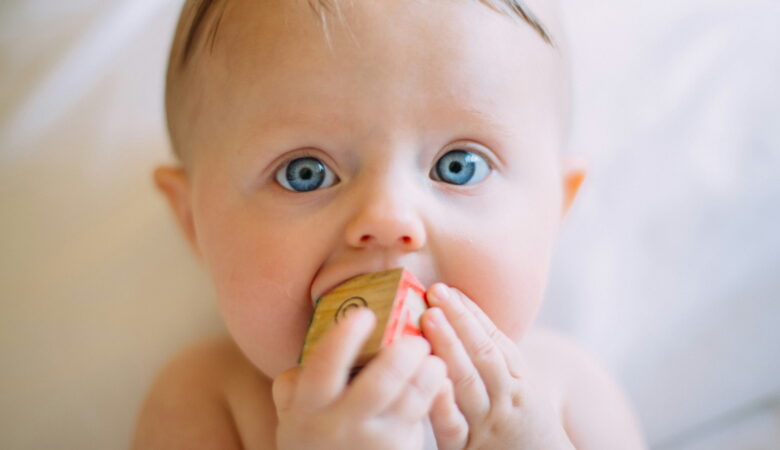
As a parent, you want to give your baby the healthiest start possible. You focus on feeding, sleeping, and keeping them safe – but there’s something else that’s just as important that many parents don’t know about: your baby’s gut health.
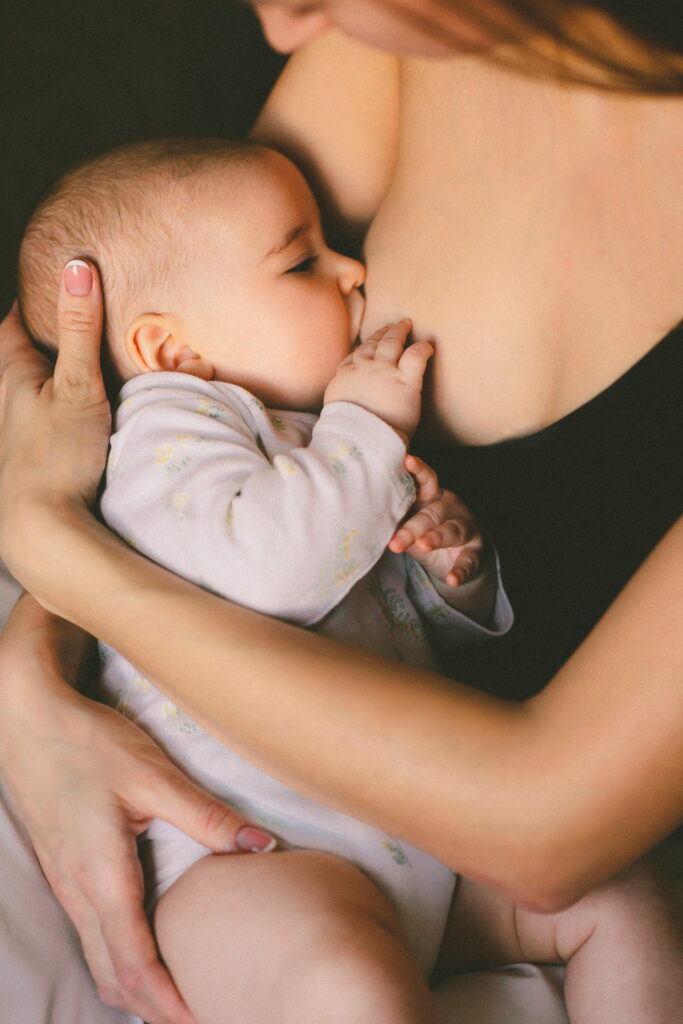
Every baby is born with a completely fresh and sterile gut, as they have been receiving all their nutrients from their mother through the placenta. The natural and normal process is for bacteria to be introduced through their feeding; whether that is breast feeding or formula feeding, and increasingly more through their environment as they explore the world and transition onto solid foods.
It might sound strange, but having tiny bacteria living in your baby’s tummy play a huge role in keeping them healthy, both now and as they grow up.
Let’s break down why this matters and how you can help support your little one’s health.

Your baby’s first 1000’s days: Why they are so important
From the moment you conceive until your child turns two and a half – that’s about 1000 days – your baby’s body is busy building the foundation for their digestive system, immune system and overall health. Think of it like constructing a house: you want to make sure the foundation is rock solid, and this is important as the immune system starts in the gut.
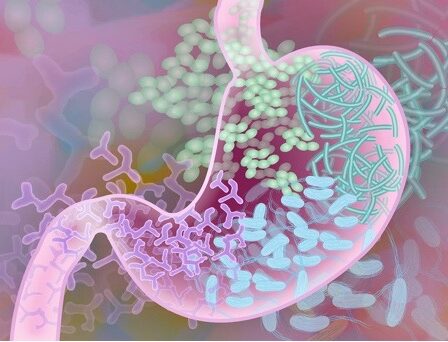
Once they are born, good bacteria start moving into your baby’s gut and teaching their immune system how to work properly. It’s like having tiny teachers showing your baby’s body the difference between good guys (helpful bacteria) and bad guys (germs that can make them sick).

What do the good bacteria in your baby’s gut actually do?
Supporting the digestive system
Good bacteria produce specific enzymes needed in the digestion of breastmilk, formula and food. They help breakdown the contents into smaller particles. They strengthen the gut wall so the nutrients can be absorbed better and easier. They also help regulate bowel movements . A sign that your baby is struggling to digest their milk or food is extra gas, constipation or diarrhoea and symptoms of colic.
Teaching the immune system
You might be surprised to learn that about 80% of your baby’s immune system lives in their gut!
When your baby has plenty of good bacteria, they create a protective shield that:
- blocks harmful germs from taking hold
- competes with bad bacteria trying to take over space and food
- makes natural antibiotics that fight infections; reducing the need for prescribed antibiotics as the body is able to protect itself
- strengthens the gut lining to keep bad stuff out and absorb the good stuff better
- may help prevent allergies developing by calming down the “allergy-prone” part over-reacting to harmless things like pollen, grasses, dust mites and foods
What can go wrong?
Unfortunately we cannot predict or control everything that will happen in the first 1000 days. There are several common things can disrupt your baby’s gut health:
Birth interventions: as much as we would like to …. it is almost impossible to predict how your baby’s birth will happen. The important thing is that they are born safely and healthy. The more interventions required such as cesarean sections, breathing assistance, or treatment for specific conditions limit their exposure to their mother’s natural bacteria and put additional stress on their immune system.
Illness for you or baby: whether there was a complication with their birth, an older sibling bringing home daycare germs or just normal exposure to sicknesses such as colds and tummy bugs; any small illness can disrupt their gut bacteria and challenge their immune system. This is all very normal and helps their immune system get stronger as they get older.
Antibiotics for you or baby: it is possible you will require antibiotics for an infection such as mastitis or from any surgical procedures during or after the birth. Your baby too can get an infection; it is very common to see infected fingers or toes as their tiny nails can be very sharp and pierce the skin. Toddlers are very good at scraping knees, collecting and sharing illnesses too!
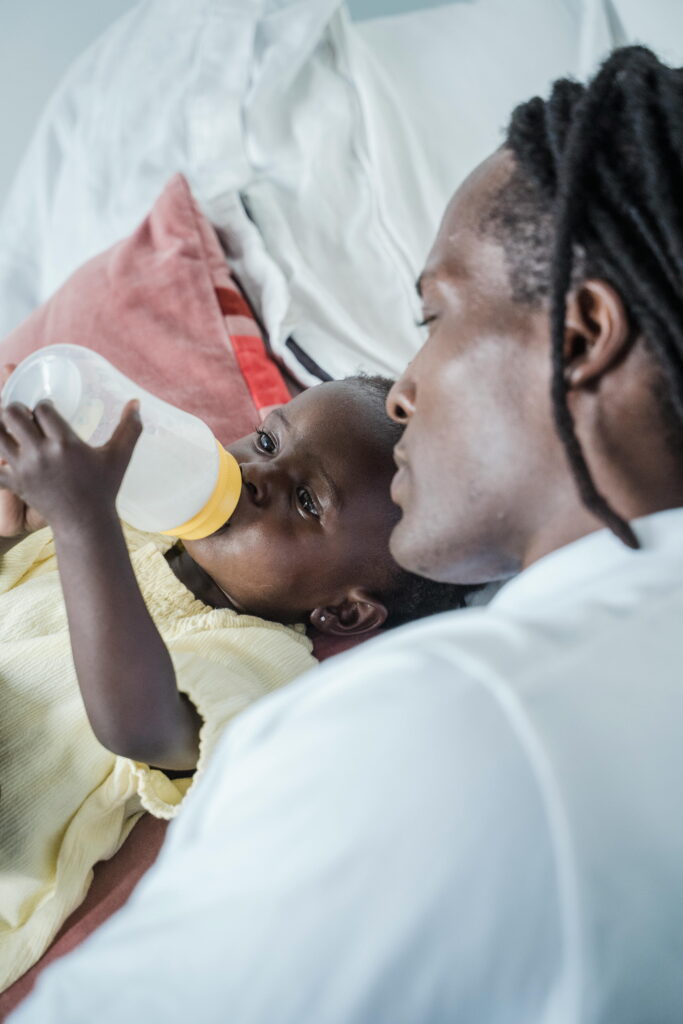
Feeding issues: breastmilk and formula are different; simply because one is natural and the other is man-made. Both contain complex sugars that help feed the good bacteria in the gut but formula is generally slightly harder to digest. A big bonus of breastfeeding is being able to pass some of your immunity to your baby but we understand that this is not always possible or the right option for everyone.
When might your baby need probiotics?
Consider talking to your health professional/allied health practitioner about probiotics if your baby:
- struggles with gas or shows symptoms of colic
- gets sick often with colds or tummy troubles
- has needed antibiotics (or you have and you are breastfeeding)
- has family members with allergies or asthma
When your baby’s natural gut bacteria needs support to establish or gets disrupted, the right probiotics can help get things back on track.
But here’s the key: not all probiotics are the same. There are probiotics that have been specifically created for babies and toddlers, so ensure you reach out to your health practitioner/naturopath to advise you accordingly.
Research has shown that baby’s and toddlers taking probiotics had:
Fewer colds and ear infections:
- 38% fewer upper respiratory infections (colds, sinus infections)
- 24% fewer ear infections
- 20% less need for antibiotics
- Shorter illness when they did get sick
Better tummy health
- helps reduce diarrhoea when kids are sick
- cuts down hospital stays for stomach bugs
- reducing the nasty side effects when antibiotics are needed

See the links at the end of this blog if you would like to read more of the research.
How do I know which probiotic is right for my baby?
Probiotics are generally very safe for healthy babies, but you should always:
- talk to your allied health practitioner first
- decide how you want to give your baby the probiotic. You can choose to take the probiotic yourself and allow the good bacteria to pass through your breastmilk, add a probiotic to their bottle feed or give them drops directly
- choose products made specifically for infants
- follow dosing instructions and storage instructions carefully
Other Ways to Support Your Baby’s Gut Health
Besides probiotics, you can help your baby’s gut health by:
- using antibiotics only when necessary: Don’t push for antibiotics for every little sniffle
- introducing variety: When your baby starts solid foods, offer different healthy options
- not being too clean: A little dirt and germs actually help build immunity (but still practice good hygiene!)
Key points to remember about probiotics
Your baby’s gut health is like the foundation of a house – get it right early, and everything else is more likely to stay strong. While babies will naturally develop good gut bacteria; not everything runs smoothly in the first few months and years of their little lives.
The good news? There are safe, well-researched ways to help support your baby’s gut health,. These tiny helpers can make a big difference in keeping your little one healthy and setting them up for a lifetime of better health.
Remember, every baby is different. What’s right for one family might not be right for another.
The most important thing is to work with your health practitioner to make the best decisions for your unique situation.
Your baby’s health journey starts with you. Now you know that supporting their gut health is one of the most important gifts you can give them.
Make an appointment today to talk to ourNaturopath Doreen about supporting your baby with probiotics.

Research
Garaiova, I, et al. “Probiotics and Vitamin c for the Prevention of Respiratory Tract Infections in Children Attending Preschool: A Randomised Controlled Pilot Study.”European Journal of Clinical Nutrition, vol. 69, no. 3, 10 Sept. 2014, pp. 373–379, https://doi.org/10.1038/ejcn.2014.174. Accessed 2 Feb. 2021.
Liu, Shan, et al. “Lactobacillus Rhamnosus GG Supplementation for Preventing Respiratory Infections in Children: A Meta-Analysis of Randomized, Placebo-Controlled Trials.” Indian Pediatrics, vol. 50, no. 4, Apr. 2013, pp. 377–381 https://doi.org/10.1007/s13312-013-0123-z. Accessed 19 Dec. 2020.
Selma-Royo, Marta, et al. “Shaping Microbiota during the First 1000 Days of Life.”Advances in Experimental Medicine and Biology, 2019, pp. 3–24,link.springer.com/chapter/10.1007/5584_2018_312, https://doi.org/10.1007/5584_2018_312. Accessed 11 Dec. 2019.