
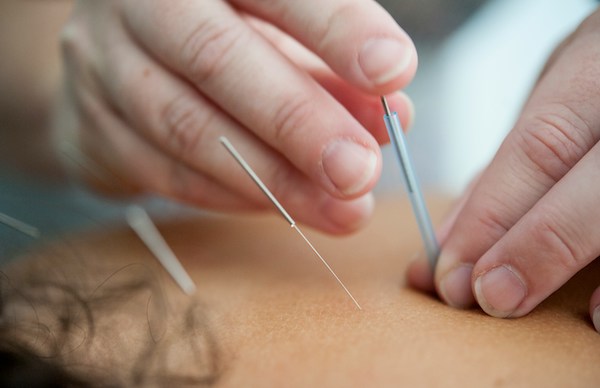
Acupuncture is a therapeutic practice that involves inserting very fine needles, or applying gentle pressure, at specific points on the body to promote healing, relieve pain, and support overall wellness. It’s used to help regulate the body’s natural systems and restore physical and emotional balance.
While acupuncture has its origins in ancient practices, modern acupuncture is increasingly integrated into mainstream healthcare. It’s commonly used to address a wide range of issues, including chronic pain, stress, digestive problems, and more.
Acupuncture is based on the idea that the body functions best when its systems are in balance. The points targeted in acupuncture correspond to networks within the body that influence circulation, nerve signaling, and energy flow. When these systems become blocked or overactive, symptoms and illness can arise. Acupuncture works by stimulating these points to encourage the body’s natural healing response and restore internal harmony.
Rather than treating isolated symptoms, acupuncture looks at the whole person—recognising that physical, mental, and emotional health are deeply connected.

Common reasons why people see their acupuncturist:
- Pain relief and pain management such as for back pain, neck pain, shoulder pain, hip pain, knee pain, nerve pain, postural imbalances
- Headaches and migraines
- Orthopedic acupuncture, sport injuries and post-surgery recovery
- Motor point and trigger point treatments
- Fertility acupuncture including IVF support
- Pregnancy and post-natal acupuncture
- Women’s health
- Anxiety and relaxation
- Sleep issues
- Stress management
- Cosmetic and aesthetic acupuncture facials
What to Expect During an Acupuncture Treatment
Acupuncture treatments are personalised to meet your specific needs. Each practitioner brings their own approach, often combining traditional techniques with modern, evidence-informed practices. Your first visit will begin with a detailed consultation, where your practitioner will ask about your symptoms, medical history, lifestyle, and overall well-being.
To better understand your condition, they may also assess:
- Areas of pain or discomfort
- The appearance of your tongue (shape, colour, and coating)
- The colour and tone of your face
- The strength, rhythm, and quality of your wrist pulse
A initial consultation takes up to 70 minutes to ensure a full assessment and treatment. Whereas a typical follow-up acupuncture session lasts 40 minutes. More complex cases or multiple areas of concern may require a longer follow-up session of 65 minutes. For a single issue, most treatment plans involve one or two sessions per week, with an average course of 5–8 sessions depending on the severity and nature of the condition.
After your session, it’s common to feel calm, centred, and deeply relaxed. To extend these benefits, try to avoid stressful activities or intense exertion immediately afterward.
Beyond Needles
Many acupuncture treatments incorporate additional techniques such as:
- Cupping
- Gua sha
- Infrared heat therapy
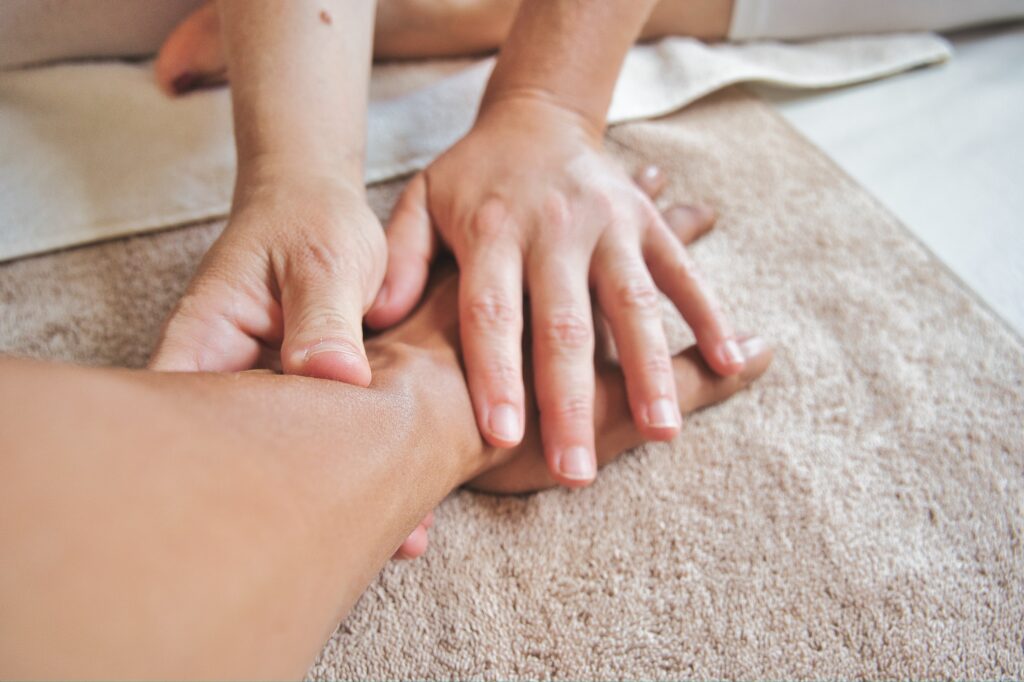
- Acupressure or therapeutic massage
- Breathing and relaxation exercises



Zoe may also offer guidance on meditation, nutrition, and lifestyle habits to support your healing between sessions.
Please book now with Zoe or contact our team for more information.
